
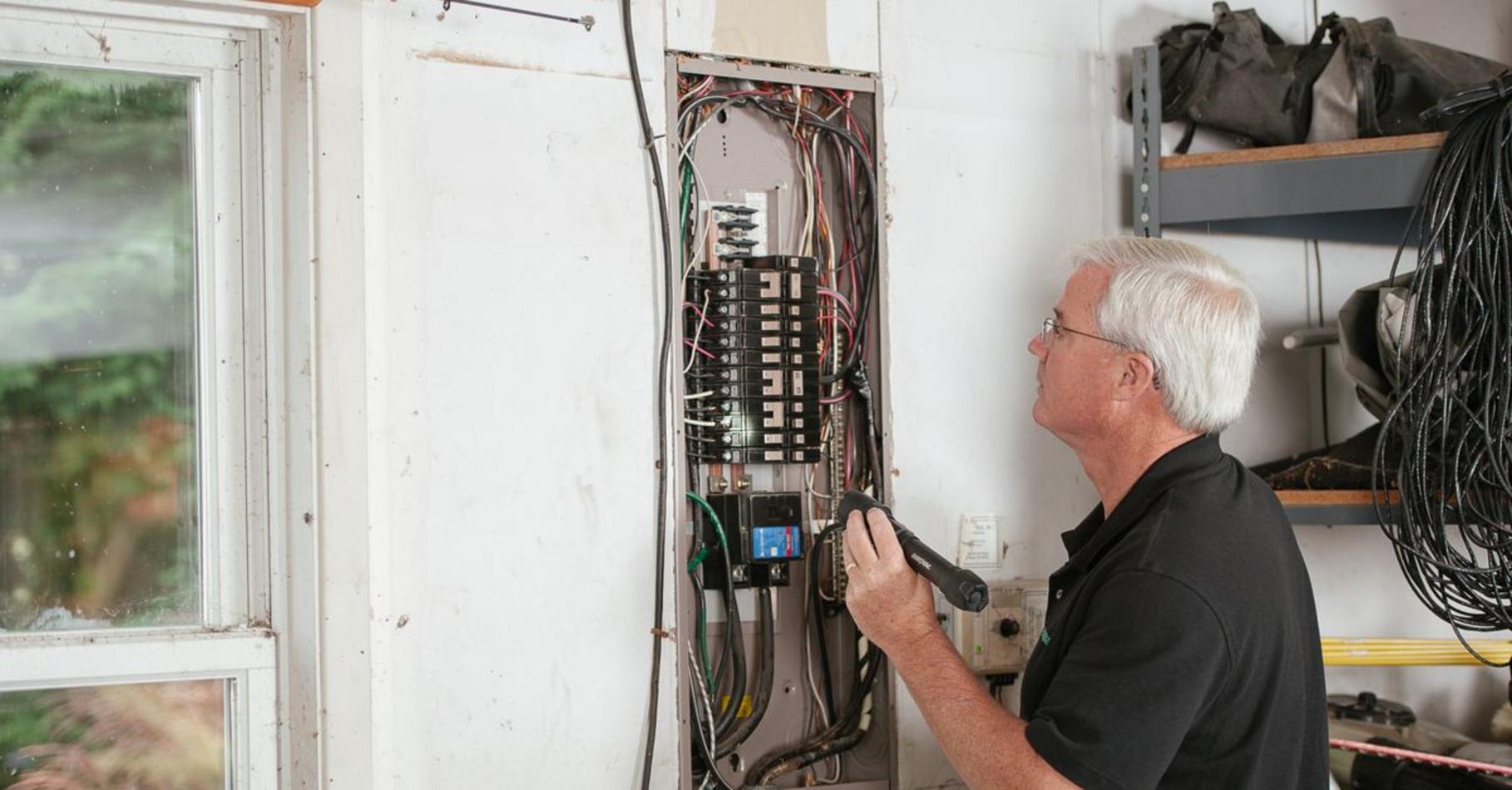
- Understanding Residential Electrical Safety Inspections
- Why is Electrical Safety Inspection Important?
- Components of a Residential Electrical Safety Inspection
- When Should You Schedule an Electrical Safety Inspection?
- How to Prepare for an Electrical Safety Inspection
- Practicing Electrical Safety Between Inspections
- Why Choose US Electrical Services for Your Inspection Needs?
- FAQ
- Conclusion + CTA
- Preventing Electrical Fires: Faulty wiring, overloaded circuits, and outdated electrical panels are common causes of electrical fires. An inspection helps identify and rectify these risks before they turn into catastrophic events.
- Ensuring Compliance with Local Codes: Electrical codes are regularly updated to reflect the latest safety standards. Inspections ensure that your home’s electrical system complies with these codes, protecting you from legal liabilities.
- Enhancing Energy Efficiency: A safety inspection may reveal inefficiencies in your electrical system. Upgrading or repairing these components can lead to lower energy bills and a reduced carbon footprint.
- Adding Value to Your Home: Regular inspections can increase your home’s marketability. Potential buyers are often more attracted to properties that have been maintained, ensuring peace of mind regarding electrical safety.
- Protection of Home Insurance: If an electrical issue leads to damage or a fire, an insurance company may scrutinize whether routine inspections were performed. Showing proof of inspections can aid in making claims easier.
- Signs of corrosion or rust.
- Properly functioning circuit breakers.
- Adequate labeling of circuits for easy identification.
- Any signs of wear, fraying, or damage.
- Grounding and bonding (which are essential for safety).
- Compliance with local codes and best practices for electrical installations.
- They are properly secured and grounded.
- No signs of overheating or arcing.
- GFCI (Ground Fault Circuit Interrupter) outlets are installed in necessary areas, such as kitchens and bathrooms.
- Proper installation.
- Signs of distress, such as flickering lights.
- Compatibility with the bulb specifications recommended.
- Functioning correctly.
- Installed in the appropriate locations throughout the home.
- Buying or Selling a Home: If you’re in the process of purchasing a home or getting ready to sell, an electrical inspection is essential to understand and convey the property’s safety status.
- Home Renovations: If you’re planning a renovation that involves electrical work, having an inspection beforehand can help address any existing issues.
- Old Homes: If your home is over 25 years old and you have not had an inspection or major updates to your electrical system, it’s time to schedule one.
- Signs of Trouble: If you notice flickering lights, tripped breakers, or frequently blown fuses, it’s a clear indication that an inspection is overdue.
- Clear Access Areas: Moving furniture and clearing pathways around your electrical panel and outlets makes it easier for the inspector to do their job.
- Document Electrical Changes: If you have made recent electrical upgrades, note them down to provide to the inspector. This includes light fixtures, outlets, or whole new circuits installed.
- List Any Concerns: Write down any particular issues or concerns you have experienced. This will help the inspector focus on those areas of concern.
- Be Available: Being present during the inspection allows you to ask questions and gain immediate understanding and feedback from the inspector.
- Regularly Check Outlets and Cords: Inspect all visible outlets and cords for signs of damage or overheating. If you notice burnt or blackened areas, it’s time to call US Electrical Services for an inspection.
- Know the Load Limitations: Plugging too many appliances on a single circuit can lead to overloads. Be mindful of how much you plug into a circuit and distribute devices to prevent tripping breakers.
- Install Surge Protectors: Protect your electronics from power surges by utilizing surge protectors, particularly during stormy weather or in areas prone to lightning strikes.
- Replace Old Electrical Devices: As technology advances, older devices may not keep pace with current electrical demand. If your devices frequently cause problems, consider replacing them with newer models.
- How often should I have my electrical system inspected? It is recommended to have an inspection every few years, especially in older homes.
- What are the signs that I need an inspection? Flickering lights, tripped breakers, or outdated systems indicate it’s time for an inspection.
- What does an inspection typically include? An inspection includes checking the electrical panel, wiring, outlets, and safety devices.
- Can I do electrical work myself? It’s best to leave electrical work to professionals to ensure safety.
- How can US Electrical Services help me? We provide comprehensive inspections and repair services ensuring your home meets safety standards.